Hemlock Removal in Philadelphia, PA
Hemlock removal services involve the careful removal and disposal of hemlock trees that may pose risks to property or safety. These projects typically include removing dead, diseased, or overgrown hemlocks that could threaten nearby structures, obstruct views, or interfere with landscaping plans. Property owners often request this service when they notice signs of disease, pest infestation, or when the trees have become too large for the space, creating concerns about falling branches or root damage.
Before requesting hemlock removal, property owners should consider the size and location of the trees, as well as any potential impact on surrounding landscape features. It’s important to understand the scope of work involved, including whether stump grinding or cleanup will be included, and to clarify any permits or property access requirements. Having this information helps ensure the removal process aligns with the property’s needs and any local regulations.
Many property owners in Philadelphia, PA look into Hemlock Removal for repairs, replacements, upgrades, and appearance-related improvements.
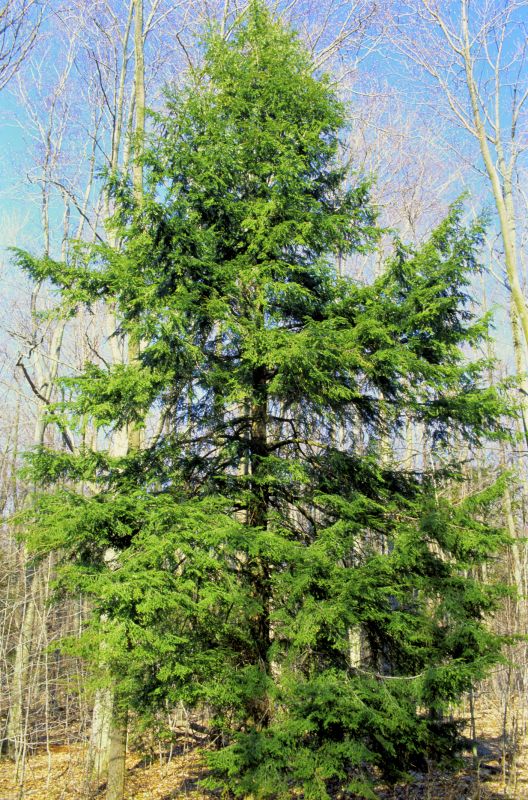
Reasons To Remove Hemlocks
Removing damaged or hazardous hemlocks can enhance safety and improve the health of surrounding trees.
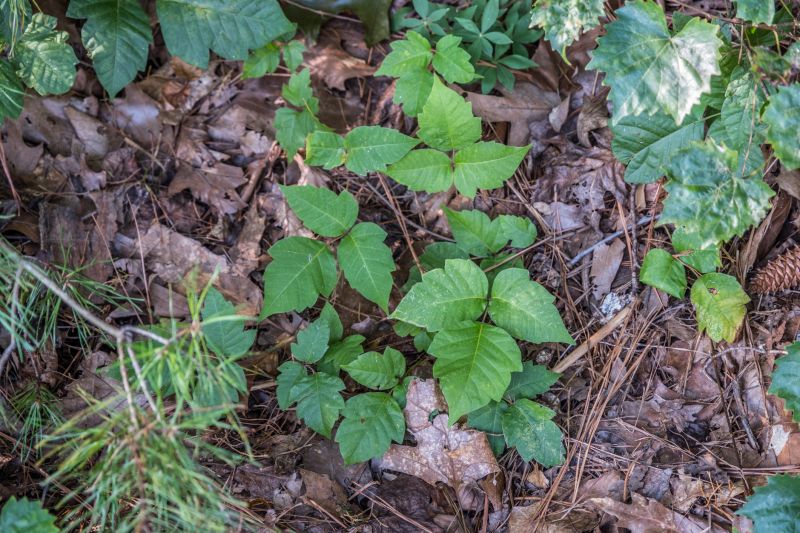
Hemlock Removal Process
The process involves careful cutting and disposal to prevent damage to nearby plants and structures.
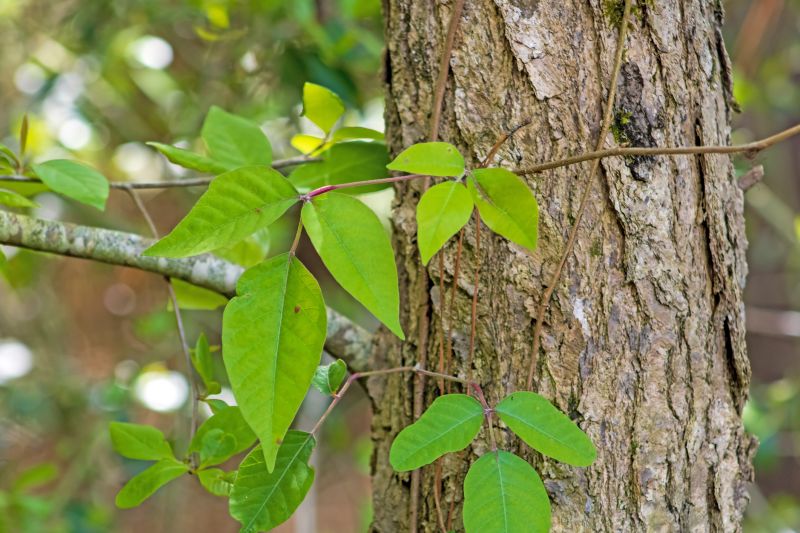
Property Improvement Benefits
Removing overgrown or diseased hemlocks can open up space and increase the aesthetic appeal of your landscape.
Hemlock Removal in Philadelphia, PA
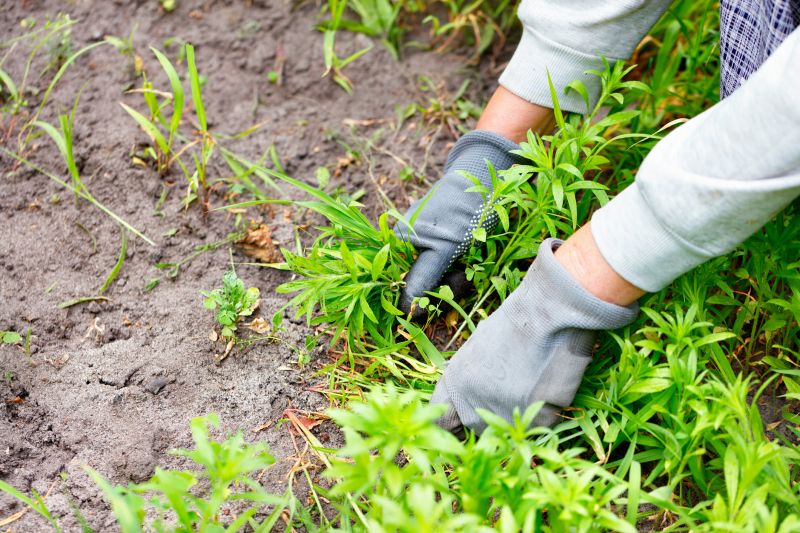
Hemlock removal services involve the careful removal and disposal of hemlock trees that may pose risks to property or safety. These projects typically include removing dead, diseased, or overgrown hemlocks that could threaten nearby structures, obstruct views, or interfere with landscaping plans. Property owners often request this service when they notice signs of disease, pest infestation, or when the trees have become too large for the space, creating concerns about falling branches or root damage.
Before requesting hemlock removal, property owners should consider the size and location of the trees, as well as any potential impact on surrounding landscape features. It’s important to understand the scope of work involved, including whether stump grinding or cleanup will be included, and to clarify any permits or property access requirements. Having this information helps ensure the removal process aligns with the property’s needs and any local regulations.
Many property owners in Philadelphia, PA look into Hemlock Removal for repairs, replacements, upgrades, and appearance-related improvements.
Common Hemlock Removal Jobs
Hemlock removal - clearing invasive hemlock trees to protect landscape health.
Hemlock pruning - trimming hemlocks to improve growth and appearance.
Hemlock thinning - reducing tree density to promote better air circulation.
Hemlock stump removal - extracting leftover stumps after tree removal.
Hemlock health assessment - evaluating tree condition to determine removal or treatment needs.
Hemlock infestation control - managing pests and diseases affecting hemlock trees.
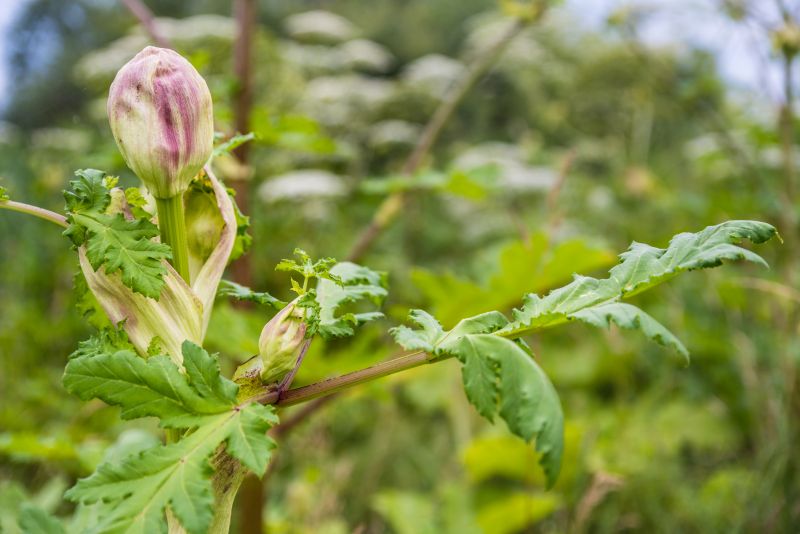
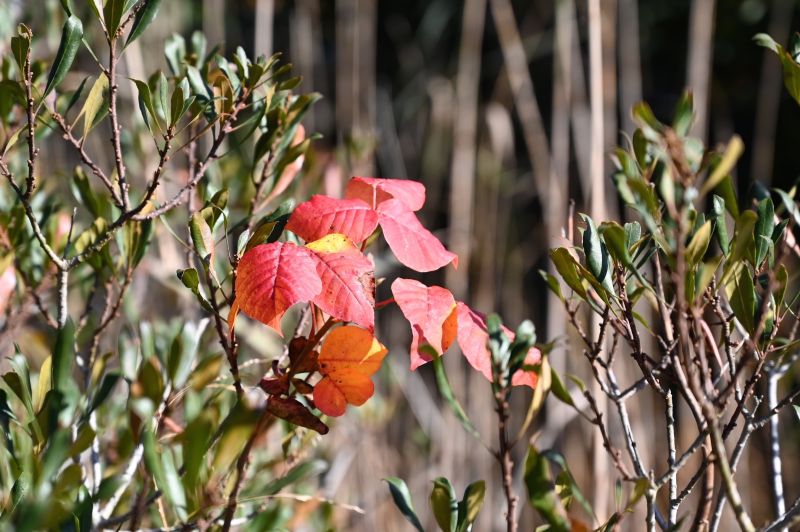
Hemlock Removal Questions
Why should Hemlock trees be removed? Hemlock trees may be removed to prevent potential hazards, manage overgrowth, or improve the health of surrounding plants and structures.
What signs indicate a Hemlock tree needs removal? Signs include disease, extensive damage, leaning, or overgrown canopies that interfere with property or safety.
Is Hemlock removal suitable for all properties? Hemlock removal is typically considered when trees pose safety risks, interfere with property use, or are unhealthy.
What are common reasons for removing Hemlock trees? Common reasons include disease management, safety concerns, space clearing, or aesthetic improvement of the landscape.
Request Hemlock Removal in Philadelphia, PA
Use the quote form on this page to share the basics of your project and request more information for the type of work you need.