Cost of Fertilizing
Fertilizing services typically vary in cost depending on the size of the area, the type of materials used, and the complexity of the application process. Factors such as site conditions, including soil health and existing vegetation, can also influence overall pricing. It is common for final costs to differ based on the scope of work and specific project requirements.
When considering fertilizing options, it is helpful to compare different service providers and their pricing structures. While estimates can provide a general idea of potential costs, final pricing will depend on the specific scope, materials selected, labor involved, and site conditions. Consulting with multiple providers can assist in understanding the range of options available for a particular project.
Range of Fertilizer Expenses
$1,200 - $2,800 (small-scale lawn fertilization)
$3,500 - $7,500 (large-scale agricultural fertilization)
| Project Type | Typical Range |
|---|---|
| Basic Lawn Fertilization | $1,200 - $2,800 |
| Garden Bed Fertilization | $400 - $900 |
| Tree & Shrub Fertilization | $600 - $1,500 |
| Commercial Fertilization | $3,500 - $7,500 |
| Soil Treatment | $800 - $2,000 |
| Crop Fertilization | $2,000 - $6,000 |
Key Cost Influencers
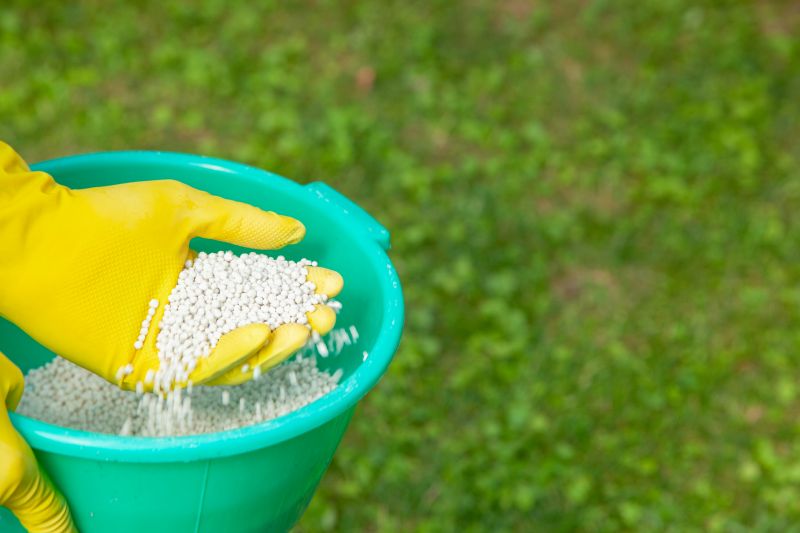
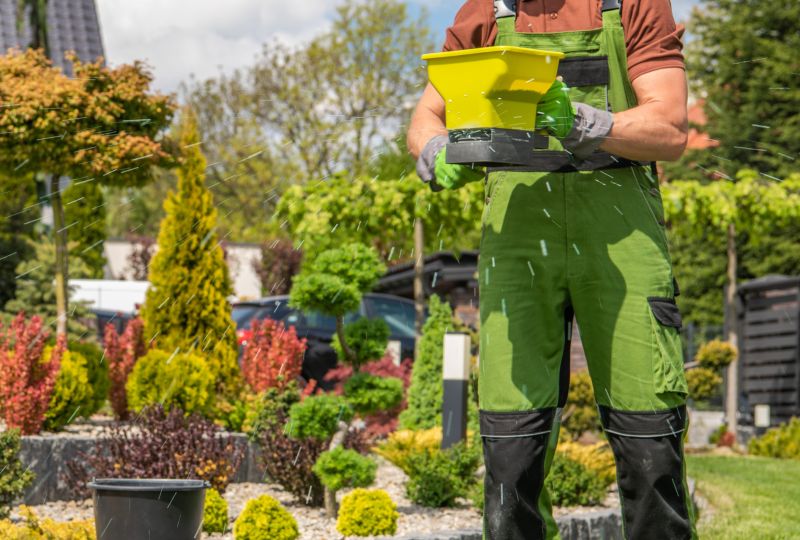
Fertilizing is an essential part of maintaining healthy plants and lawns. Proper application can promote growth, improve soil quality, and enhance overall landscape appearance. Understanding the typical scope and considerations can help in planning and budgeting for fertilizing projects.
- Materials: Various fertilizers are available, including granular, liquid, and slow-release options, each suited for different plant types and soil conditions.
- Size and Scope: The area to be fertilized influences the quantity of materials needed and the complexity of the application process.
- Labor Complexity: Application methods range from simple spreader use to more detailed treatments requiring specialized equipment or techniques.
- Permitting: Typically, fertilizing does not require permits, but local regulations should be checked for specific restrictions or guidelines.
- Extras: Additional services may include soil testing, customized fertilization plans, or follow-up treatments to optimize results.
Project Size Considerations
| Scope/Size | Typical Range |
|---|---|
| Small gardens or lawns | 1-2 pounds per 1,000 sq ft |
| Medium-sized lawns | 2-4 pounds per 1,000 sq ft |
| Large lawns or fields | 4-8 pounds per 1,000 sq ft |
| Vegetable gardens | 0.5-1 pound per 10 sq ft |
| Flower beds | 0.5-1 pound per 10 sq ft |
Fertilizer application rates vary based on plant types, soil conditions, and specific project requirements.