Poison Ivy Removal in Burlington County, NJ
Poison ivy removal services are designed to safely eliminate this invasive plant from residential properties, helping homeowners maintain a safe and enjoyable outdoor space. These services typically cover a variety of projects, including clearing poison ivy from yards, gardens, fences, and other landscape features. Property owners often seek removal when the plant has spread extensively, poses a risk of skin irritation, or threatens nearby trees and shrubs. Understanding the scope of the project and the methods used for removal can help homeowners make informed decisions about protecting their families and pets from exposure.
Before requesting poison ivy removal, property owners should consider the extent of the infestation and the location of the plants. It is important to identify whether the poison ivy is growing in accessible areas or in spots that may require special equipment or techniques. Additionally, knowing if removal involves just cutting back the plants or complete eradication- including root removal-can influence the approach taken. Clear communication about these details helps ensure the project aligns with property owners’ safety concerns and landscape goals.
Many property owners in Burlington County, NJ look into Poison Ivy Removal for repairs, replacements, upgrades, and appearance-related improvements.
Understanding Poison Ivy
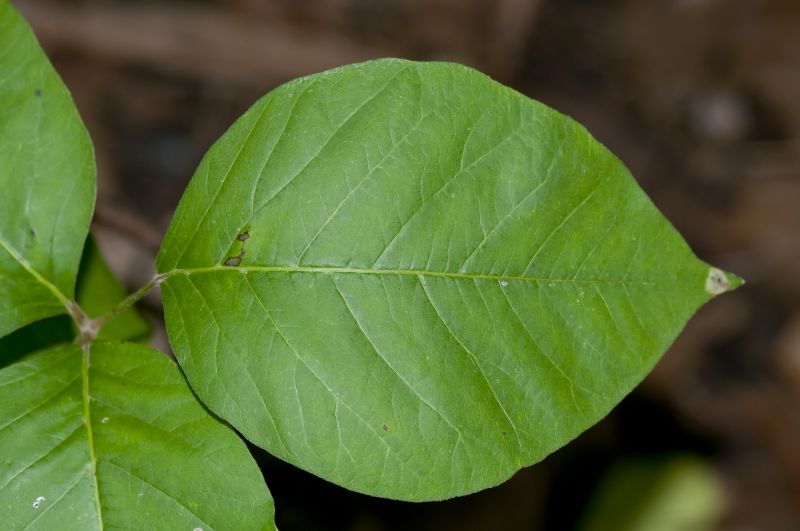
Poison ivy is a common plant that can cause skin irritation and allergic reactions on residential properties in burlington county.
Signs Of Poison Ivy Infestation
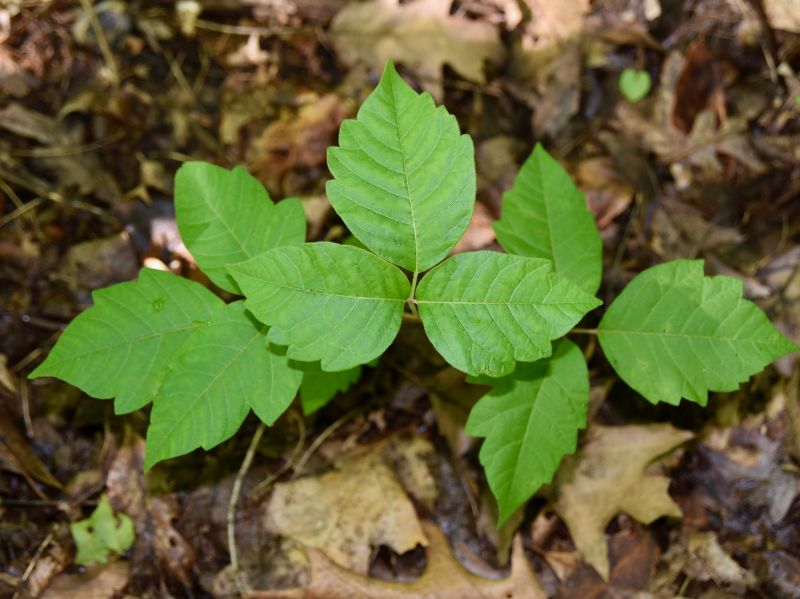
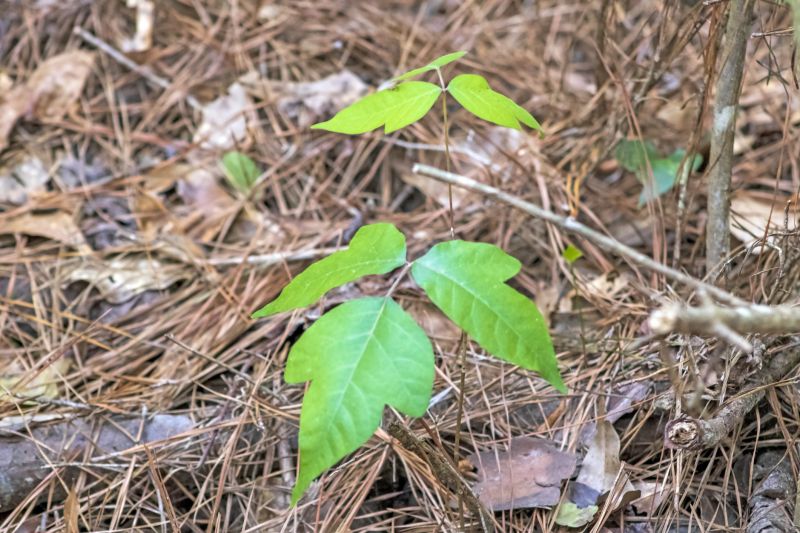
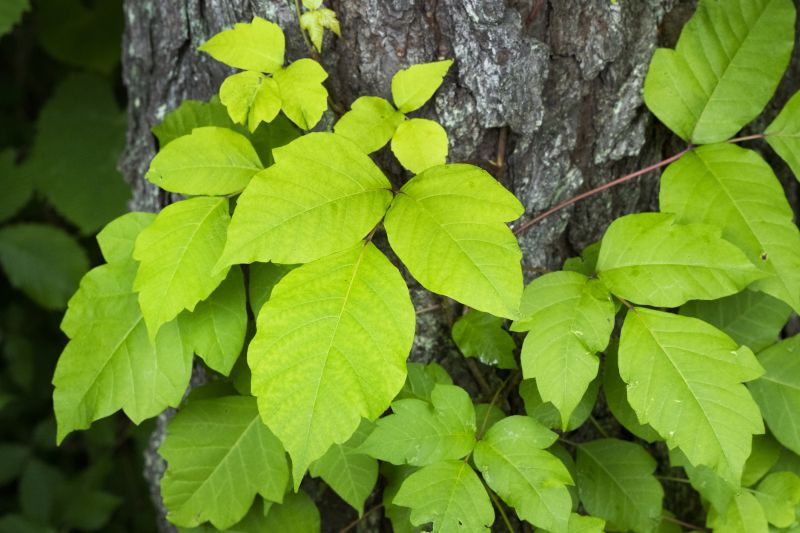
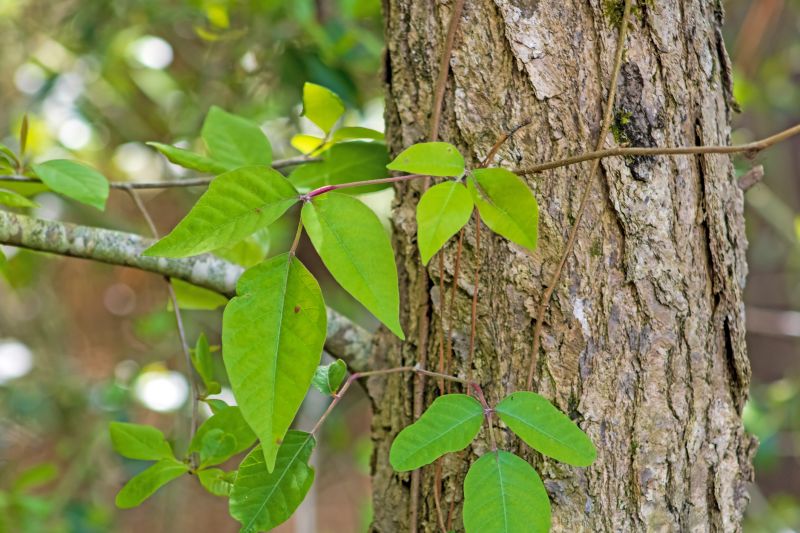
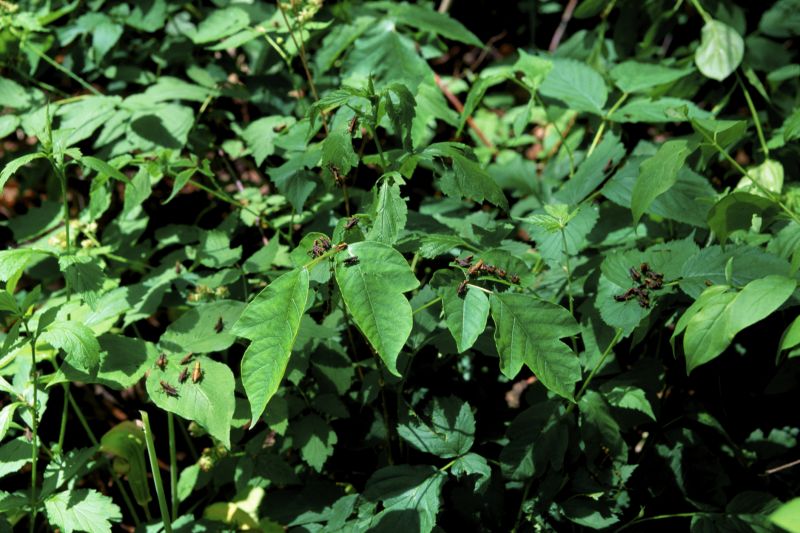
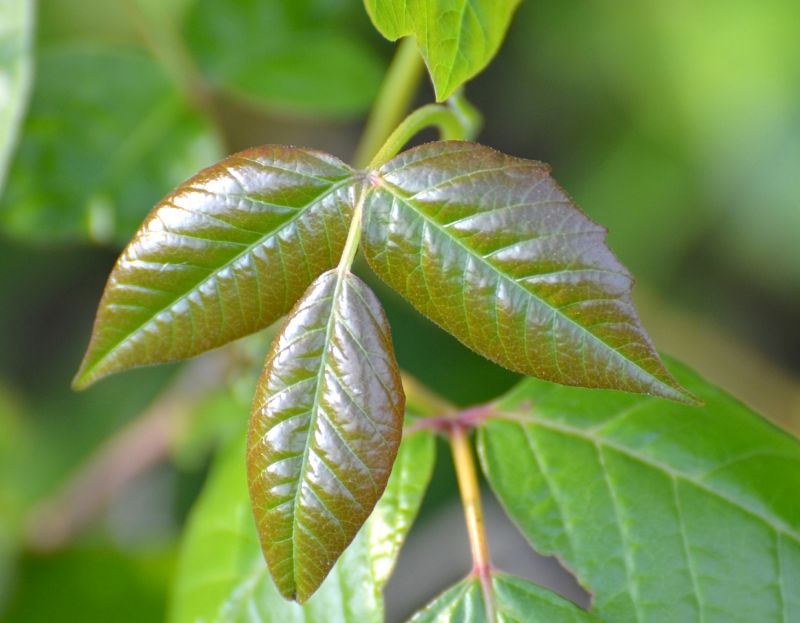
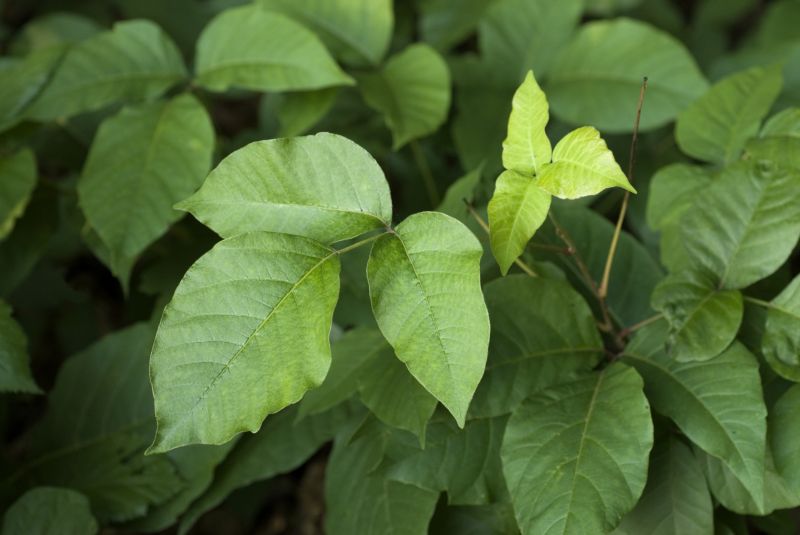
Identifying poison ivy involves recognizing its characteristic clusters of three leaflets and its ability to grow along fences, trees, and ground cover.
Benefits Of Professional Removal
Expert poison ivy removal helps protect your family and pets from contact and prevents the spread to other areas of your yard.
Poison Ivy Removal in Burlington County, NJ
Poison ivy removal services are designed to safely eliminate this invasive plant from residential properties, helping homeowners maintain a safe and enjoyable outdoor space. These services typically cover a variety of projects, including clearing poison ivy from yards, gardens, fences, and other landscape features. Property owners often seek removal when the plant has spread extensively, poses a risk of skin irritation, or threatens nearby trees and shrubs. Understanding the scope of the project and the methods used for removal can help homeowners make informed decisions about protecting their families and pets from exposure.
Before requesting poison ivy removal, property owners should consider the extent of the infestation and the location of the plants. It is important to identify whether the poison ivy is growing in accessible areas or in spots that may require special equipment or techniques. Additionally, knowing if removal involves just cutting back the plants or complete eradication- including root removal-can influence the approach taken. Clear communication about these details helps ensure the project aligns with property owners’ safety concerns and landscape goals.
Many property owners in Burlington County, NJ look into Poison Ivy Removal for repairs, replacements, upgrades, and appearance-related improvements.
Common Poison Ivy Removal Jobs
Poison Ivy Removal - safe and effective eradication of poison ivy from lawns, gardens, and landscapes.
Property Clearing - removal of poison ivy along fences, driveways, and property boundaries.
Landscape Maintenance - ongoing control to prevent poison ivy regrowth in yard areas.
Trail and Pathway Clearing - removal of poison ivy from walking paths and outdoor recreational spaces.
Fence Line Cleanup - clearing poison ivy from along fences and property borders.
Emergency Removal - prompt removal of poison ivy in high-traffic or hazardous areas.
Poison Ivy Removal Questions
What is poison ivy removal? Poison ivy removal involves safely eliminating the plant to prevent skin irritation and property damage.
When should poison ivy be removed? Removal is recommended when poison ivy is growing in areas accessible to people or pets to reduce contact risks.
What areas are typically treated for poison ivy? Common treatment areas include yards, gardens, fences, and around outdoor structures.
Is professional removal necessary? Professional removal ensures safe and thorough elimination, especially in hard-to-reach or extensive growth areas.
Request Poison Ivy Removal in Burlington County, NJ
Use the quote form on this page to share the basics of your project and request more information for the type of work you need.